 Prolistovat - Look inside
 Osprey Publishing - GB
- Úvod
- Chandos Publications - GB
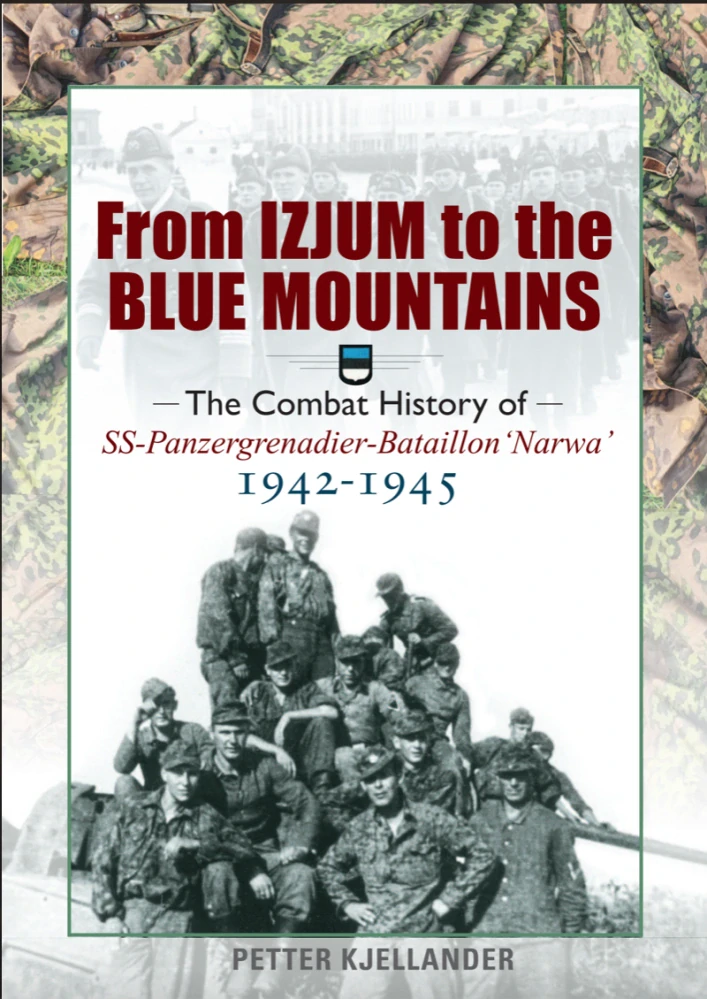
- From Izyum to the Blue Mountains: The Combat History of SS-Panzergrenadier-Bataillon ‘Narwa’ 1942-1944
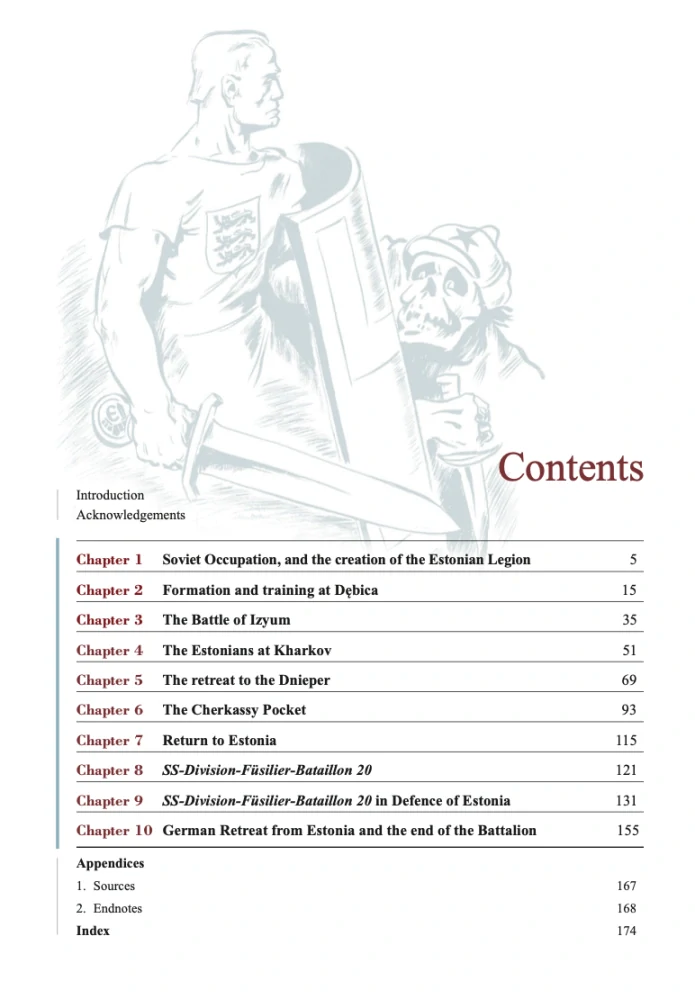
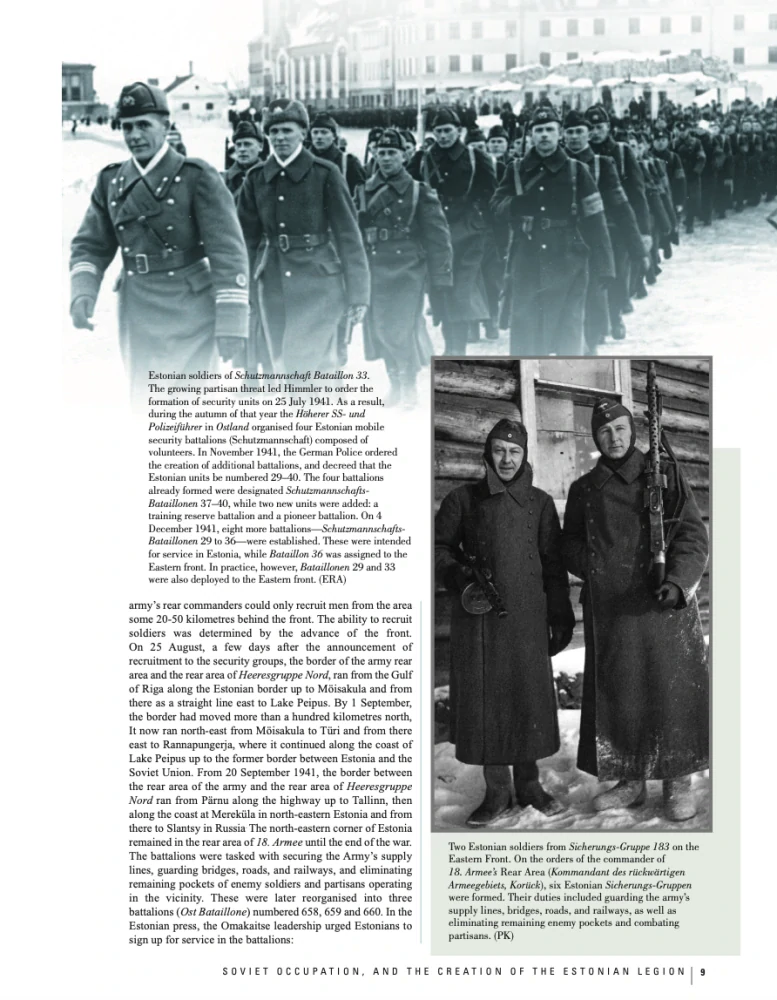
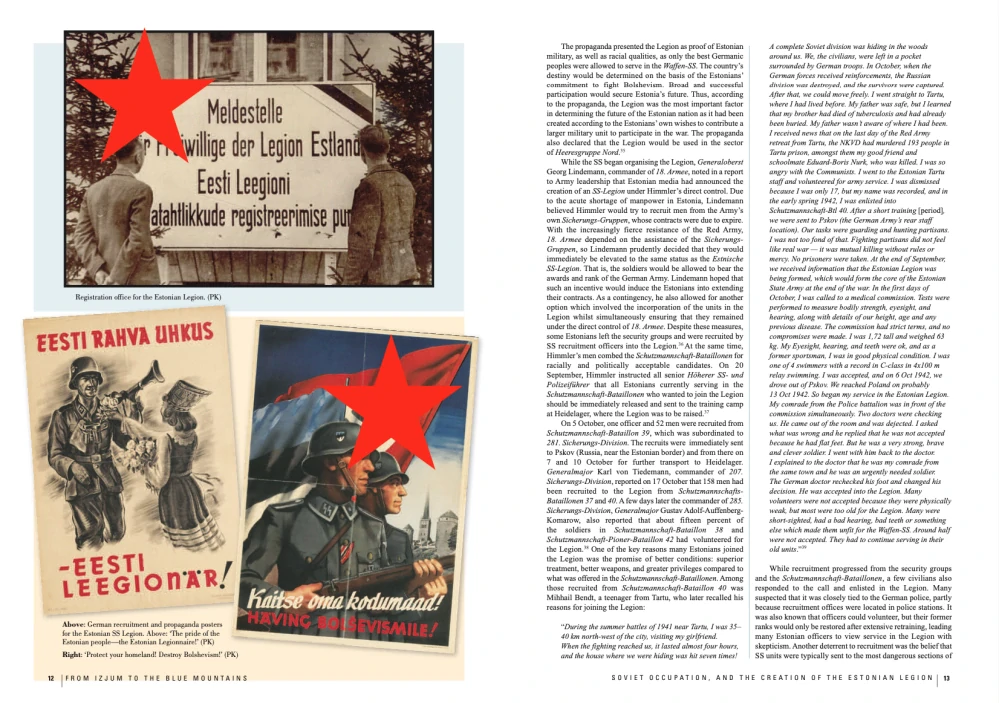
From Izyum to the Blue Mountains: The Combat History of SS-Panzergrenadier-Bataillon ‘Narwa’ 1942-1944



- Kompletní specifikace
- Komentáře 0
- From Izyum to the Blue Mountains: The Combat History of SS-Panzergrenadier-Bataillon ‘Narwa’ 1942-1944objednat - to order1 890,00 Kč1 890,00 Kč bez DPH
This is the story of the Estonian Battalion SS-Panzergrenadier-Bataillon ‘Narwa’. Formed in 1942, it consisted of volunteers who had lost loved ones during the Soviet occupation of Estonia in 1940–1941. By serving in the Battalion, they sought to avenge their dead while hoping to defend Estonia from renewed Soviet occupation and restore the country's independence.
After intensive training, the Battalion was sent to the cauldron of the Eastern Front in the summer of 1943, where it became part of SS-Panzergrenadier-Division ‘Wiking’ and took part in the fierce defensive fighting at Izjum and Kharkiv. There, it experienced its baptism of fire and developed into one of the Division's most effective units.
These battles were followed by a retreat to the Dnieper, where the Battalion, along with several other German formations, was surrounded at Cherkassy in early 1944. After the failure of the relief effort, the trapped units were forced to break out.
In Estonia, the Battalion was re-established in the spring of 1944 with mobilised Estonians, and transformed into SS-Divisions-Füsilier-Bataillon 20, of 20. Waffen-Grenadier-Division der SS (Estnische Nr. 1).
In the summer of 1944, the battle for Estonia was fought at the so-called Blue Mountains, 20 kilometres from Narva. The defence of the position was composed of several SS volunteer units of III (Germanische) SS-Panzer-Korps. Among these, the Estonian SS-Divisions-Füsilier-Bataillon 20 proved to be one of the most effective.
On the very first day, when Soviet assault formations broke through the front line, the Battalion was deployed to restore it. It quickly stabilised the situation and subsequently held one of the most exposed sections of the front during two weeks of intense fighting.
In September 1944, the Germans evacuated Estonia. A large portion of the Battalion was cut off, trapped, and captured during the retreat, while others managed to escape. Those taken prisoner were sentenced to years of imprisonment in Stalin’s notorious Gulags, while many of those who escaped continued to resist the Soviet occupation as so-called ‘Forest Brothers’.
Drawing on years of archival research and veteran interviews, this book presents a unique and detailed account of the establishment, training, and combat operations of one of the most formidable SS volunteer formations of World War Two which, unlike many West European SS units, did not fight for a Nazi ‘Greater Germanic Reich’.
In addition to a wealth of images and factual information, the many eyewitness accounts provide a vivid depiction of how the Battalion’s Estonian soldiers experienced the horrors of the Eastern Front, while faced with overwhelming odds.